Schedule 2, Part 1, Class E of the General Permitted Development Order 2015 permits a swimming or other pool within the curtilage of a house, provided it is incidental to enjoying that house. Stay inside it and no application is needed.
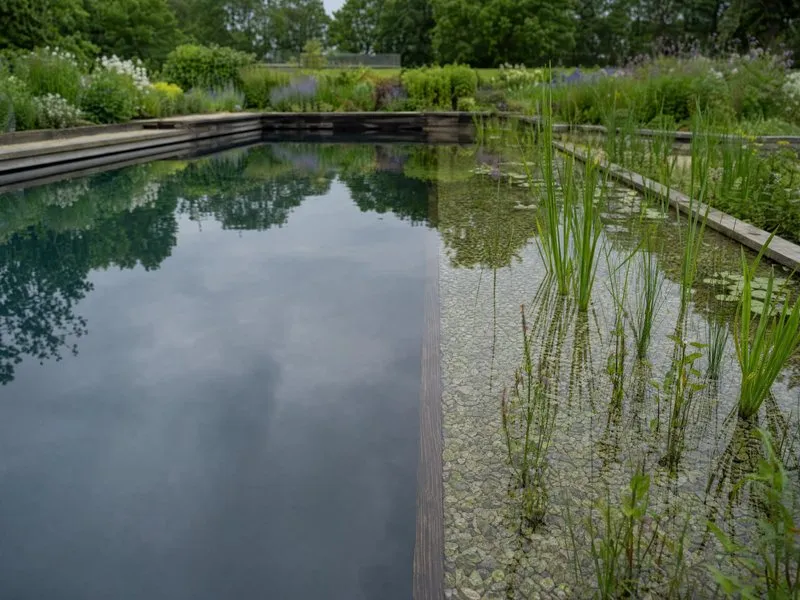
Class E does not apply forward of the principal elevation of the house, or within the curtilage of a listed building. An Article 4 direction, or a condition attached to a newer house, can remove the right altogether. On an SSSI you need Natural England's consent whatever the planning position.
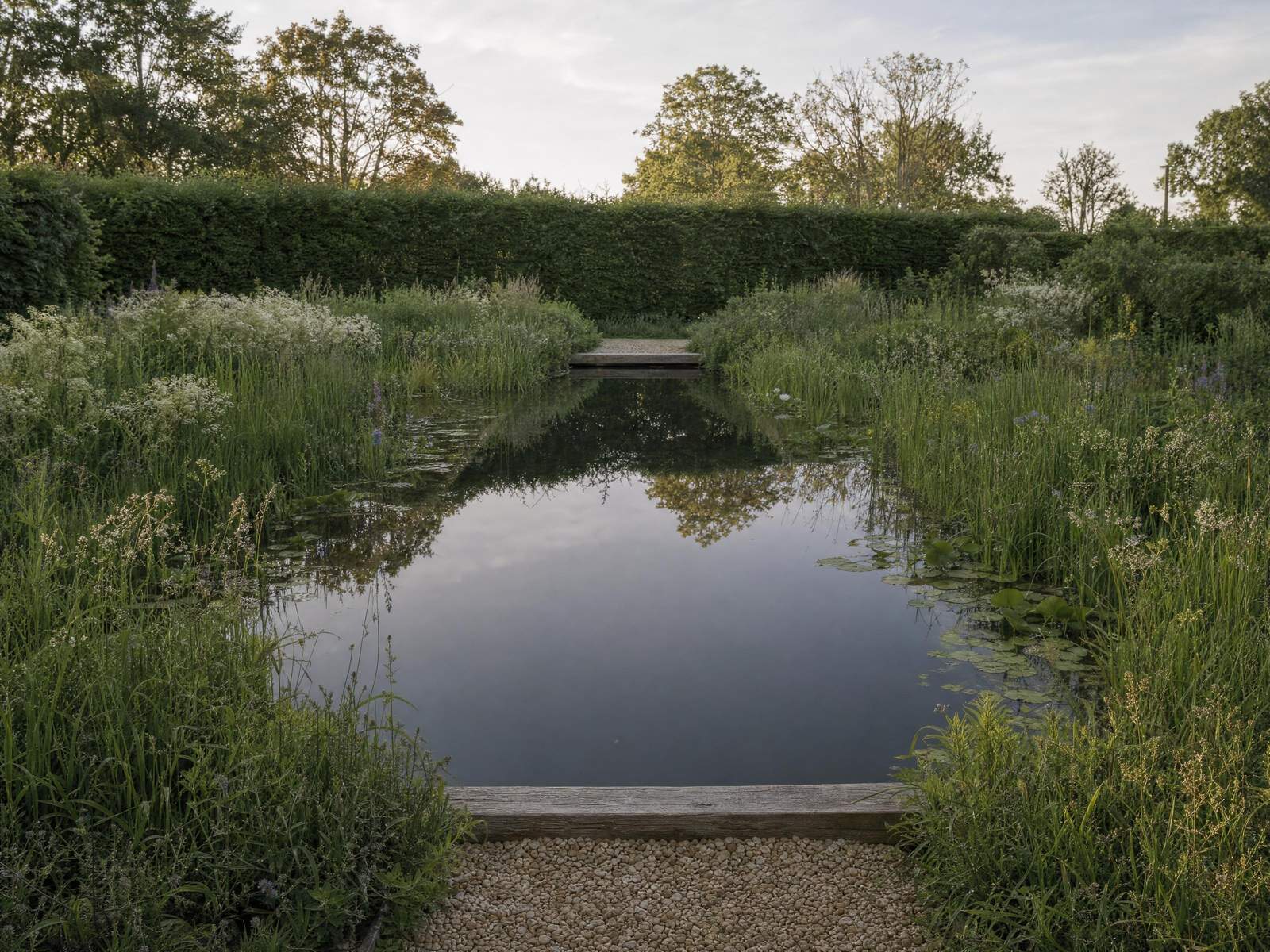
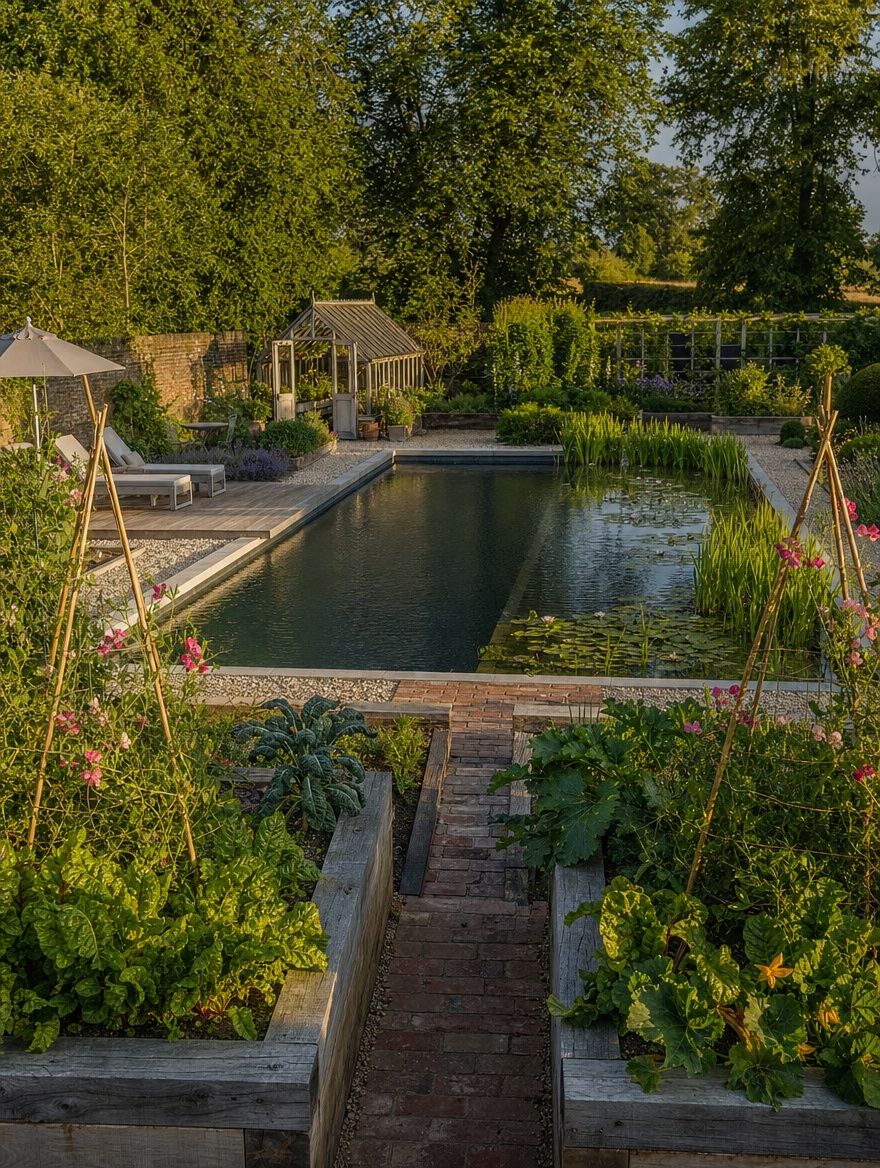
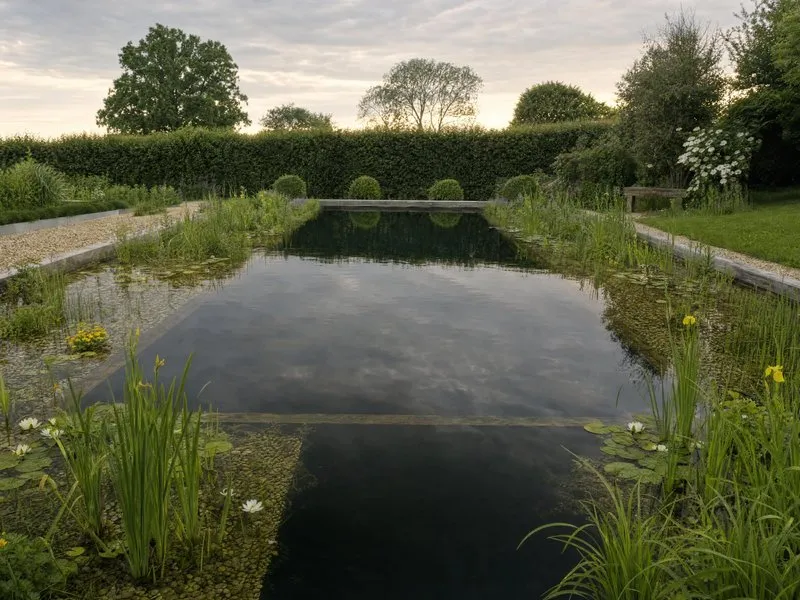
Natural pools are large, and they usually sit away from the house. That combination meets the exceptions in Class E far sooner than a small chlorine pool beside a terrace does. These two decide the outcome on most sites in this part of the country.
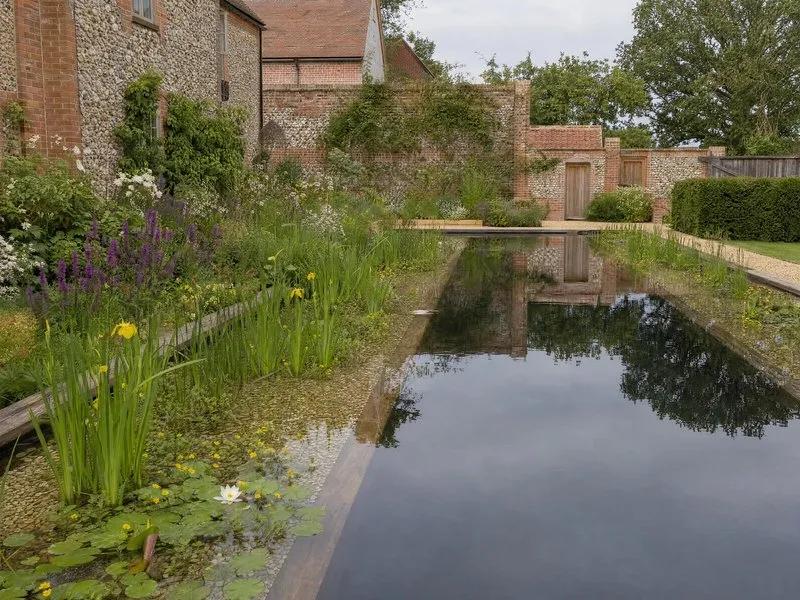
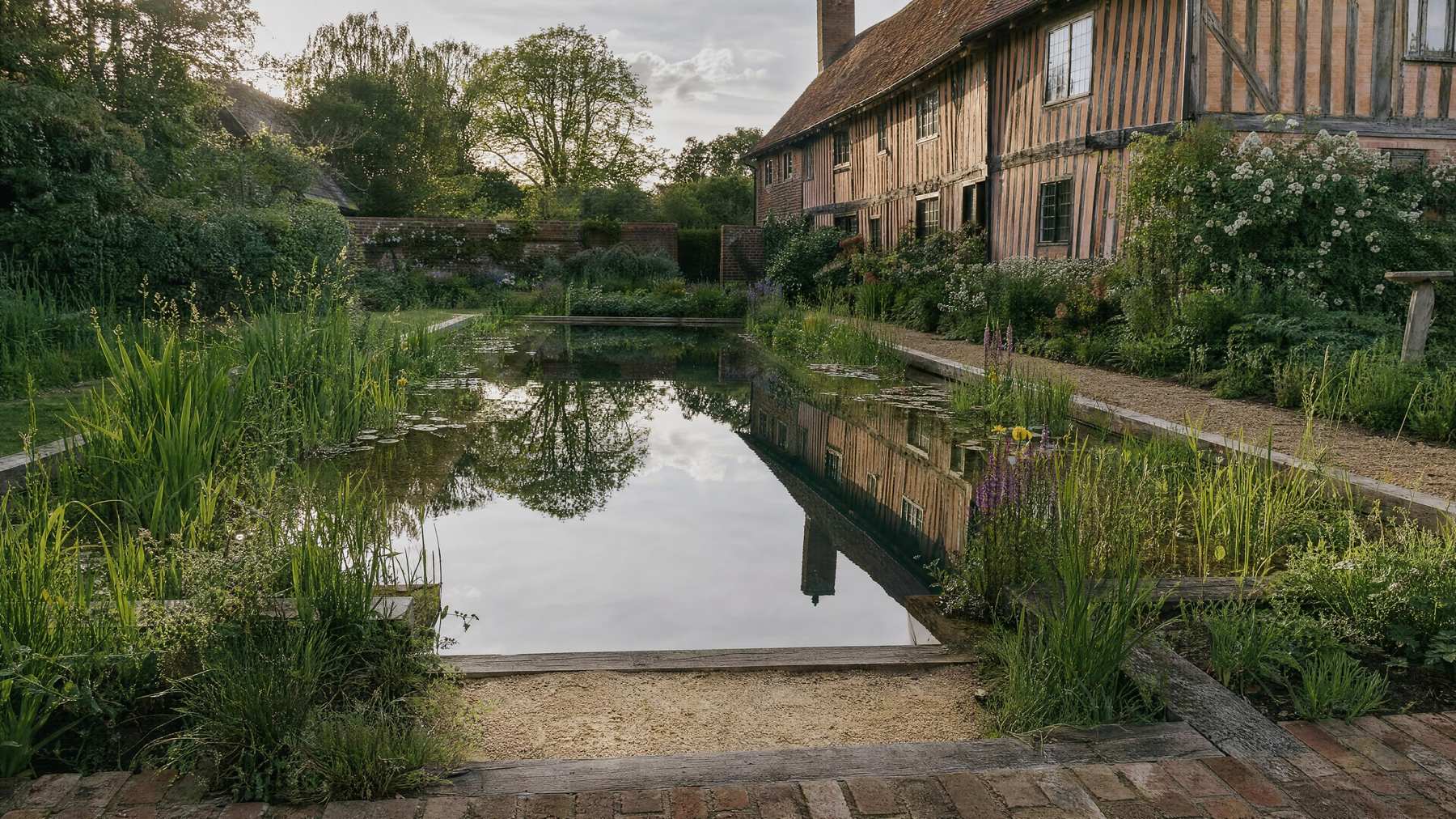
If the pool would sit within the curtilage of a listed building, Class E is off. That means a full planning application. Works affecting the listed building itself, or curtilage structures such as walls and outbuildings, need listed building consent as well.
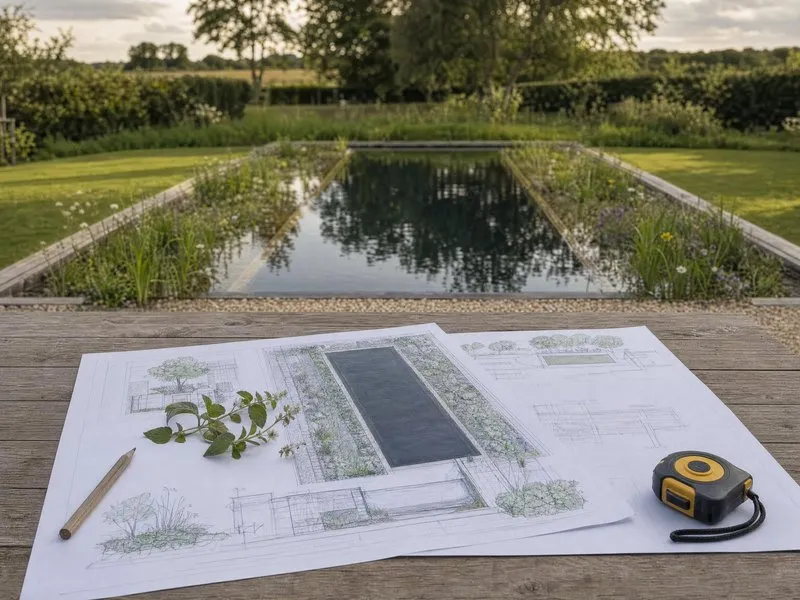
In a conservation area, a National Landscape, a National Park, a World Heritage Site or the Broads, pools and outbuildings more than 20 metres from a wall of the house are limited to 10 square metres in total. Locally that catches the Suffolk & Essex Coast & Heaths and Dedham Vale National Landscapes, the Broads, and every conservation area in the three counties. Very few natural pools fit inside 10 square metres.
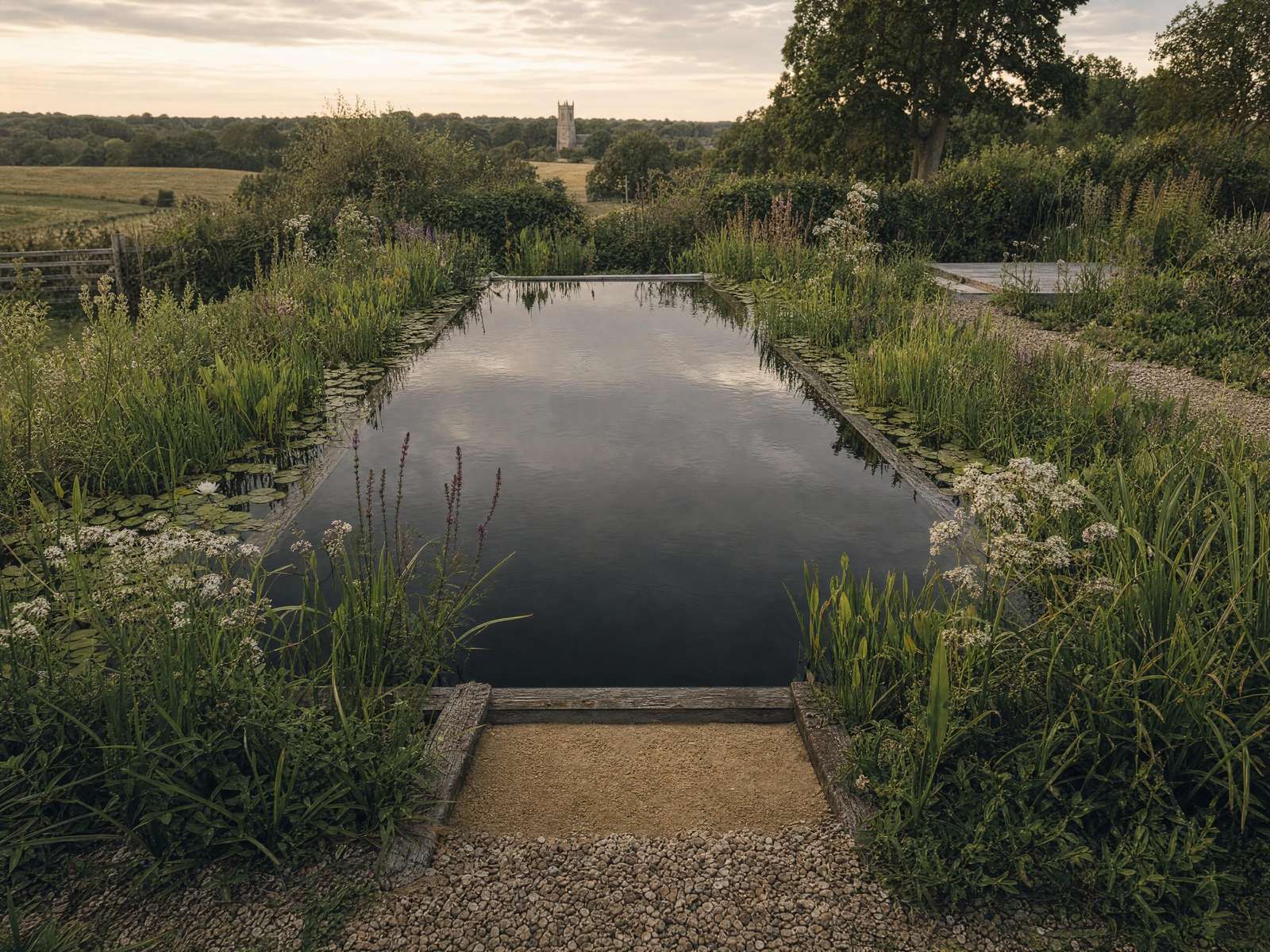
On a rural East Anglian site the water raises more questions than the excavation does. We work through these at survey stage, before a design is fixed.

Abstraction. Taking more than 20 cubic metres a day from a borehole, river or spring generally needs a licence from the Environment Agency.
Land drainage. Work affecting an ordinary watercourse needs consent from the lead local flood authority, or from the internal drainage board where one covers your land. Common across the Fens and the Broads.
Flood risk. Flood zones 2 and 3 cover a great deal of Suffolk, Norfolk and Cambridgeshire. Expect questions about excavation, spoil and where displaced water goes.
Your planning authority is your district, borough or city council: Babergh, East Suffolk, Ipswich, Mid Suffolk or West Suffolk; one of the seven Norfolk districts; or Cambridge, East Cambridgeshire, Fenland, Huntingdonshire, South Cambridgeshire or Peterborough. In the Broads executive area it is the Broads Authority. Suffolk and Norfolk become unitary councils in 2028, so check who is handling applications when you apply.
Protected species. Great crested newts are protected in law, and so are their breeding and resting places. Where there is existing water nearby, survey before you excavate.
Biodiversity net gain. Householder applications and permitted development are exempt from mandatory net gain. A scheme applied for another way may not be, and the rules for small sites are being changed during 2026.
Building regulations. The basin itself is not usually controlled work, but any building you put around it is, and the electrical installation must meet Part P.
This page is general guidance, not legal or planning advice. Designations, conditions and local policy vary between authorities, and they change. Confirm your position with your local planning authority, in writing, before you commit to anything. We do that as part of every design. If you want a second view on whether your site is straightforward, book a free design consultation. There is no obligation.